
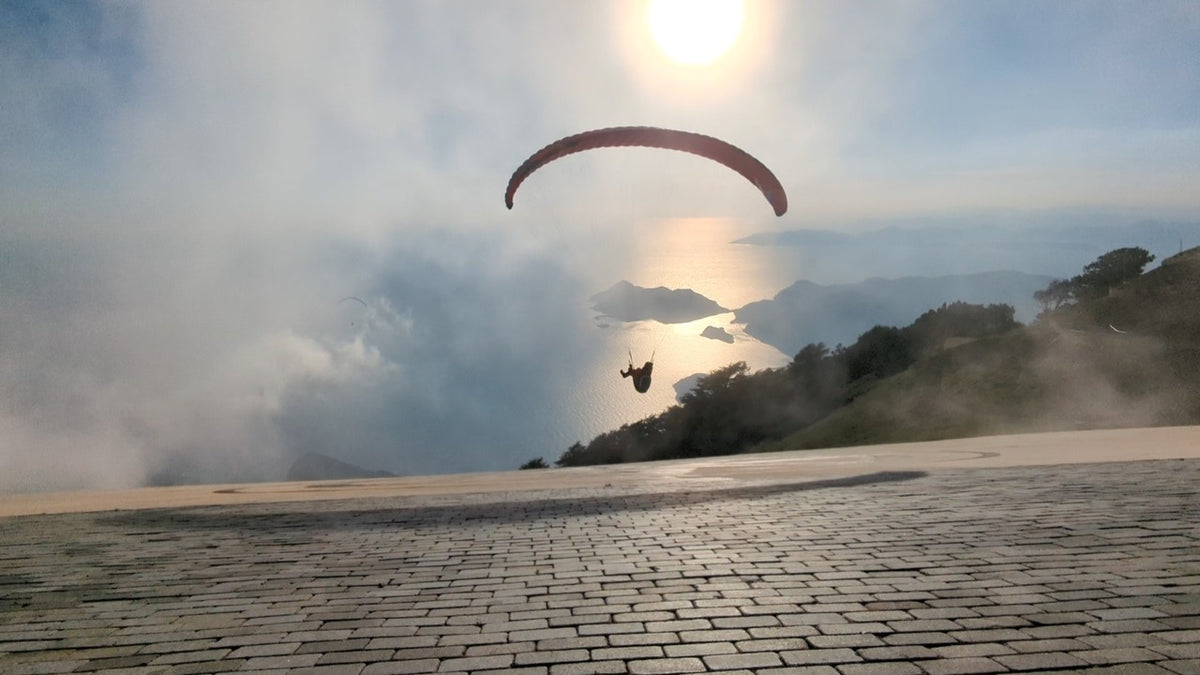

SIV Course
The 6 day SIV course takes place in in Olu Deniz, Turkey. It is designed to take your flying to a whole new level. Pilots learn to manage collapses and dynamic manoeuvres under expert supervision. This training dramatically improves your piloting skills, confidence and awareness, transforming you into a safer and more capable pilot.
Course Dates: 19th - 26th September
Price: £1,595
Deposit: £350
Includes: A single room, instructor on take off and landing, video debriefs, life jacket rental and bus transport to take off.
Not Included: Airport transfers, equipment, flights, insurance, lift passes, radio, forestry tax and food.
Nearest Airport: Dalaman (Saturday is the travel day)
Course Structure: During the course we aim for a total of at least 9 flights. Saturday is arrival day and the following Saturday is departure day. Sunday will involve early morning kit inspections and discussions around SIV followed by an orientation flight. After day 1 there are typically 2 flights a day depending upon the weather. Friday is a reserve weather day and if we get through all 9 flights beforehand we go up for a team flight on Friday. Prior to each flight there will be a briefing followed by a debrief. In the evenings we review the footage from each pilot's flight. Rich Dolan is the SIV instructor and Alex Ledger is the take off instructor. Between them they have more than 30 years of flying and teaching experience.
Booking: To make a booking or to discover more please contact us.
Frequently Asked Questions
Where are the Courses held?
Where are the Courses held?
Our Conversion courses take place in Chamonix, France. This has proved the most ideal location for glorious flying in the peace and quiet of the mountains.
Our SIV course takes place in Dalaman, Turkey, as it has the most ideal and reliable flying conditions needed for this specialised course.
What is the accommodation like?
What is the accommodation like?
In Chamonix students either stay in campsites or hotels, depending upon their budget. We suggest you look on AirBnB for options.
In Olu Deniz the accommodation is a single room in a hotel, which has a pool and restaurant. Breakfast is also included.
What qualifications are required or on offer?
What qualifications are required or on offer?
For the Conversion Courses in France, the French FFVL Brevet and Brevet Pilote licenses are on offer, depending upon your skills and knowledge.
In Turkey all Pilots require either an FFVL license or an APPI Paragliding license to attend.
SIV Course
What is an SIV course?
What is an SIV course?
SIV stands for Simulation d'Incident en Vol, which translates from French as Simulation of an Incident in Flight. SIV courses teach paraglider pilots how to recognise, manage and recover from unusual flight situations in a controlled environment under professional supervision.
Who is an SIV course suitable for?
Who is an SIV course suitable for?
SIV courses are suitable for qualified paraglider pilots who are comfortable flying independently and want to improve their skills, confidence and safety awareness.
Do I need to be an experienced pilot?
Do I need to be an experienced pilot?
No, but you should be confident with launching, landing and flying in a range of conditions before attending an SIV course.
Why is Turkey such a popular location for SIV training?
Why is Turkey such a popular location for SIV training?
Ölüdeniz offers reliable weather, smooth air, a large body of water with rescue boats on standby and easy access to altitude via cable car, making it one of the world's best SIV training locations.
Is SIV training dangerous?
Is SIV training dangerous?
While SIV training involves practising certain controlled manoeuvres, it is conducted under the supervision of experienced instructors with safety boats and rescue teams in place.
What manoeuvres will I learn on an SIV course?
What manoeuvres will I learn on an SIV course?
Typical exercises include asymmetric collapses, symmetric collapses, big ears, speed bar usage, spirals, wingovers, auto rotations, stalls, spins, back flying and SATs.
Will I deploy my reserve parachute during the course?
Will I deploy my reserve parachute during the course?
Most pilots do not deploy their reserve, but understanding when and how to use it forms an important part of the training.
Do I need a reserve parachute?
Do I need a reserve parachute?
Yes, a correctly sized reserve parachute is mandatory for participation on an SIV course.
What equipment do I need to bring?
What equipment do I need to bring?
You will need a paraglider, harness, reserve parachute, helmet, radio and any personal flying equipment you normally use.
Can I hire equipment for an SIV course?
Can I hire equipment for an SIV course?
No, this is not possible. Pilots must have their own equipment which is suitable for the course.
How many flights will I complete during the week?
How many flights will I complete during the week?
The number of flights depends on weather conditions, but pilots typically complete at least 9 flights during the week.
Will an SIV course make me a safer pilot?
Will an SIV course make me a safer pilot?
Yes, understanding how your wing behaves in extreme situations and learning the correct recovery techniques can significantly improve your decision making and safety margins.
What happens if the weather is unsuitable?
What happens if the weather is unsuitable?
The programme is adjusted to make the best use of available conditions, with theory sessions, video debriefs and ground based learning used when necessary.
Do I need a recently repacked reserve?
Do I need a recently repacked reserve?
Yes, your reserve parachute should be within the last 12 months.
Will I receive personalised feedback?
Will I receive personalised feedback?
Yes, all flights are filmed and analysed, allowing instructors to provide detailed individual feedback after each exercise.
Can I bring a partner or family member?
Can I bring a partner or family member?
Yes, many pilots bring partners or family members who can enjoy the beaches, restaurants and attractions around Ölüdeniz while the course is running.
What is included in the course fee?
What is included in the course fee?
Course fees include instruction, coaching, radio support, video analysis, safety boat cover and daily briefings and debriefings.
What is the biggest benefit of attending an SIV course?
What is the biggest benefit of attending an SIV course?
Most pilots leave with a much better understanding of their wing, greater confidence in the air and improved ability to manage unexpected situations safely.
